

If you’re preparing to sell your home in Central New York, the most important steps are thoughtful preparation, strategic pricing, and strong presentation. In today’s market, buyers in areas like Manlius and Fayetteville are drawn to homes that feel well cared for, move-in ready, and aligned with their lifestyle.
Preparing your home for sale can feel overwhelming, especially when you are also thinking ahead to your next chapter. The good news is that getting your home market-ready does not have to mean major renovations or unnecessary stress. In 2026, buyers continue to look for homes that feel well cared for, thoughtfully presented, and move-in ready.
In Central New York, buyer interest has remained steady as people continue to value affordability, lifestyle, and community. While the market has evolved in recent years, preparation and presentation still play a major role in how a home is perceived and how smoothly a sale unfolds.
Here are the key steps I guide sellers through to help their homes stand out and sell with confidence. In today’s Central New York market, homes that are well-prepared, thoughtfully priced, and clearly positioned tend to sell faster and with stronger results.
What Matters Most in the Central New York Market
In Central New York, buyers are prioritizing homes that feel well-maintained, thoughtfully updated, and easy to move into. In communities like Manlius and Fayetteville, presentation and pricing from day one play a significant role in how quickly a home sells.
Inventory remains selective, which means homes that are properly positioned stand out quickly — while those that miss the mark may sit.
What Not to Do Before Selling Your Home
Not every update adds value. In many cases, large renovations are not necessary to attract buyers. Instead of over-investing, focus on simple improvements like fresh paint, decluttering, and lighting updates.
Buyers are looking for clean, well-maintained spaces — not perfection. Strategic preparation almost always outperforms major renovations.
First Impressions Start Online
Most buyers begin their home search online, long before they ever step through a front door. They are scrolling through listings, viewing professional photos, and exploring neighborhoods through maps and street views. That means a home’s first impression often happens digitally.
Preparing for photos typically includes:
Decluttering and simplifying spaces
Deep cleaning from top to bottom
Making minor repairs that could distract buyers
Eliminating odors and overly personal items
In many cases, small and cost-effective updates such as fresh paint, updated lighting, or refreshed landscaping can significantly improve how a home photographs and shows. In today’s market, professional photography is no longer optional. It is an essential part of presenting a home well.
Why First Impressions Matter
First impressions can be difficult to overcome. Much like meeting someone for the first time, a buyer’s initial reaction to a home can shape how they feel about it throughout the entire showing.
For some buyers, that first impression begins online. For others, it starts the moment they pull up to the property or walk through the front door. Because of this, it is important that first impressions work for you rather than against you.
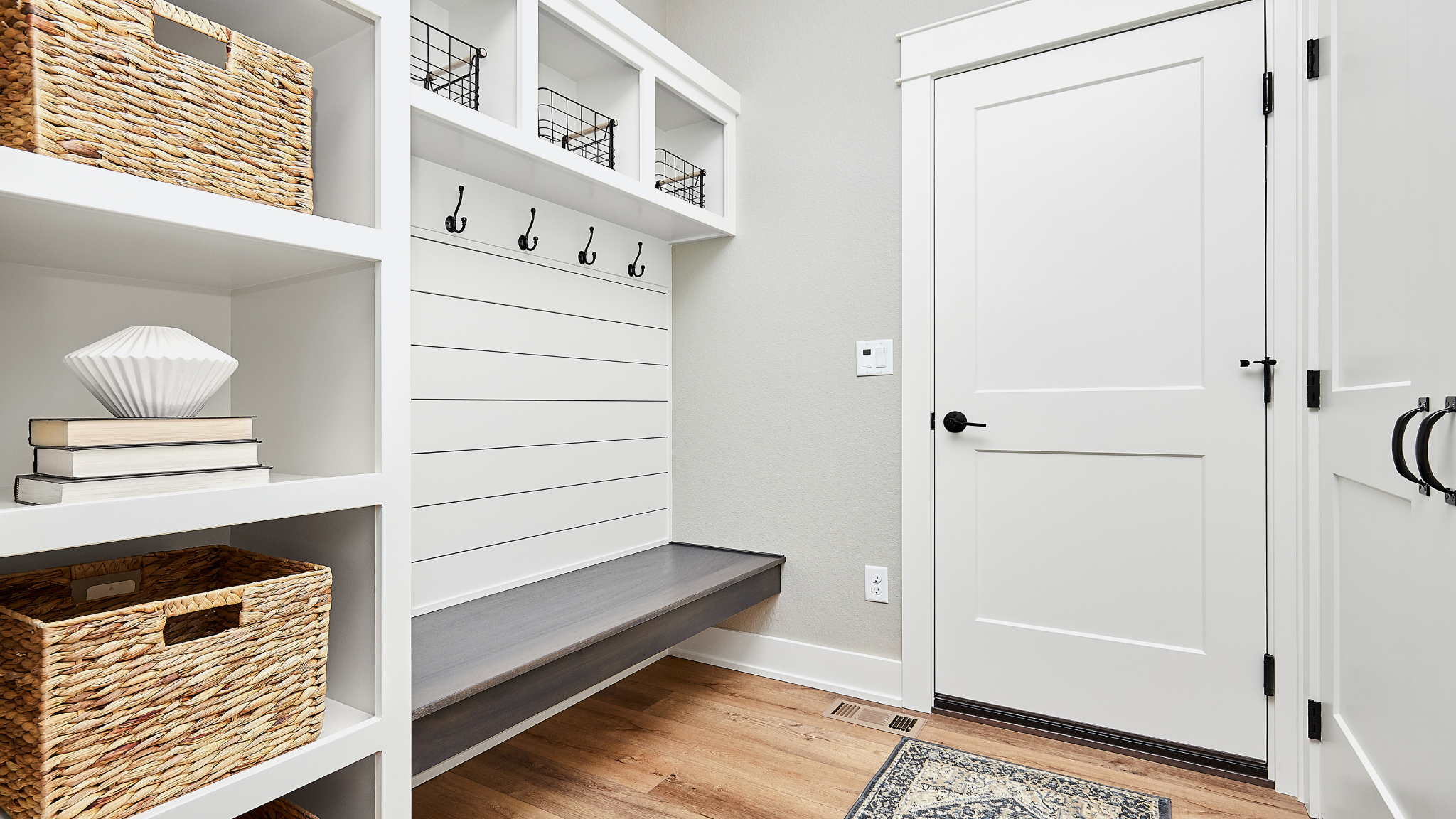
The entryway plays a particularly important role. This is the transition point from outside to inside, and it sets the tone for the rest of the home. A clean, uncluttered entry with good lighting and neutral finishes helps create a welcoming feeling that carries through the tour.
Curb appeal also matters. A well-maintained exterior, tidy landscaping, and a clear path to the front door can influence whether a buyer schedules a showing or moves on to another listing. Taking time to view your home through a buyer’s eyes can reveal small changes that make a meaningful difference.
Thoughtful Staging Creates Connection
Staging helps buyers emotionally connect to a home by allowing them to imagine themselves living there. This is especially important in a visually driven market where buyers often decide how they feel about a home within moments.
Two areas tend to have the biggest impact:
Bedrooms, which should feel calm, spacious, and restful
Bathrooms, where cleanliness, light, and simplicity go a long way
Effective staging does not mean removing all personality. It means presenting each space in a way that highlights its function, flow, and potential.
Additional Smart Steps to Consider
Many sellers choose to work with additional professionals before listing to help the process go more smoothly:
A home inspector to uncover potential issues early and reduce surprises
A professional cleaning service to ensure every detail shines
A landscaper to boost curb appeal and seasonal freshness
A professional stager for objective guidance and layout suggestions
A real estate attorney to support a clear and efficient transaction
Deciding which steps make sense depends on the home, the market, and the seller’s goals. Thoughtful preparation helps ensure that time and money are spent wisely.
Choosing the Right Real Estate Professional
Preparing a home for sale involves many moving parts, which is why choosing the right real estate professional matters. While some people select the first agent they find online or on a yard sign, taking time to choose the right fit can make the process smoother and more successful.
Many homeowners begin by asking friends, family members, or colleagues for recommendations. Personal referrals often provide insight into an agent’s communication style, experience, and ability to navigate challenges.
It is also helpful to look for agents with specialized training or credentials that reflect additional education in buyer and seller representation, negotiation, and ethical standards. Interviewing more than one agent allows homeowners to better understand how pricing strategies, marketing plans, and client support may differ.
Understanding how professional fees work is also an important part of the process. Having clear conversations upfront helps set expectations and avoid confusion later.
A knowledgeable real estate professional coordinates many aspects of a sale, including pricing strategy, marketing, professional photography, staging guidance, showings, negotiations, and communication with attorneys and lenders. This support allows sellers to focus on their next chapter while knowing the details are being handled carefully.
A Strategic, Supportive Approach
When you work with me, professional photography is always included, along with one to two hours of staging consultation as part of my services. I also provide access to a trusted network of local professionals to help make the process as seamless as possible.
If you’re thinking about selling and wondering where to start, I’m always happy to walk through what preparation would look like for your home and your timeline. Every home is different, and the right strategy makes all the difference.
Frequently Asked Questions About Preparing a Home for Sale
How far in advance should I prepare my home to sell?
Ideally, preparation should begin several weeks before listing. This allows time for decluttering, small updates, and creating a strong first impression.
Do I need to renovate before selling my home?
Not usually. Most buyers are looking for well-maintained, move-in-ready homes. Simple updates often have more impact than major renovations.
Should I stage my home before selling in Central New York?
In many cases, thoughtful staging can help buyers better understand the space and feel more connected to the home. Even simple adjustments can make a meaningful difference in how a home shows and how quickly it sells.
What matters most to buyers right now?
Buyers are prioritizing condition, layout, and lifestyle fit. Homes that feel easy and move-in ready tend to attract the strongest interest.
Is spring the best time to sell in Central New York?
Spring is often the most active season, with strong buyer demand and favorable conditions for sellers.
