
For many buyers, saving for the down payment feels like the biggest hurdle to purchasing a home. But one of the most common conversations I have with clients is about something they don't always expect: the costs that come after you've found the right house.
Whether you're a first-time buyer or it's been several years since your last purchase, understanding the full financial picture can help you avoid surprises and feel more confident throughout the process.
Here's what many Central New York buyers should plan for beyond the down payment.
1. Closing Costs
Closing costs are the fees associated with finalizing your home purchase. While the exact amount varies depending on your loan, purchase price, and lender, these costs often include:
Lender fees
Attorney fees
Appraisal and inspection costs
Title insurance
Recording fees
Prepaid interest
Before closing, your lender will provide a detailed Closing Disclosure outlining these expenses so you'll know exactly what to expect.
2. Your Escrow Account
One of the biggest surprises for many buyers is that they aren't just bringing their down payment to closing.
Many lenders require an escrow account, which collects money upfront to cover future expenses such as:
Property taxes
Homeowner's insurance
Private Mortgage Insurance (PMI), if applicable
Rather than paying these bills separately throughout the year, your lender collects a portion with your monthly mortgage payment and pays them on your behalf.
Depending on when you purchase your home and your loan program, this can add a significant amount to the cash you'll need at closing.
3. Home Inspection and Additional Evaluations
A home inspection is one of the best investments you can make before purchasing a home.
Depending on the property, you may also choose, or be advised, to complete additional inspections such as:
Radon testing
Water quality testing
Septic inspections
Well inspections
Chimney evaluations
Structural assessments
While these services add to your upfront costs, they can provide valuable information before you make one of the largest purchases of your life.
4. Moving Expenses
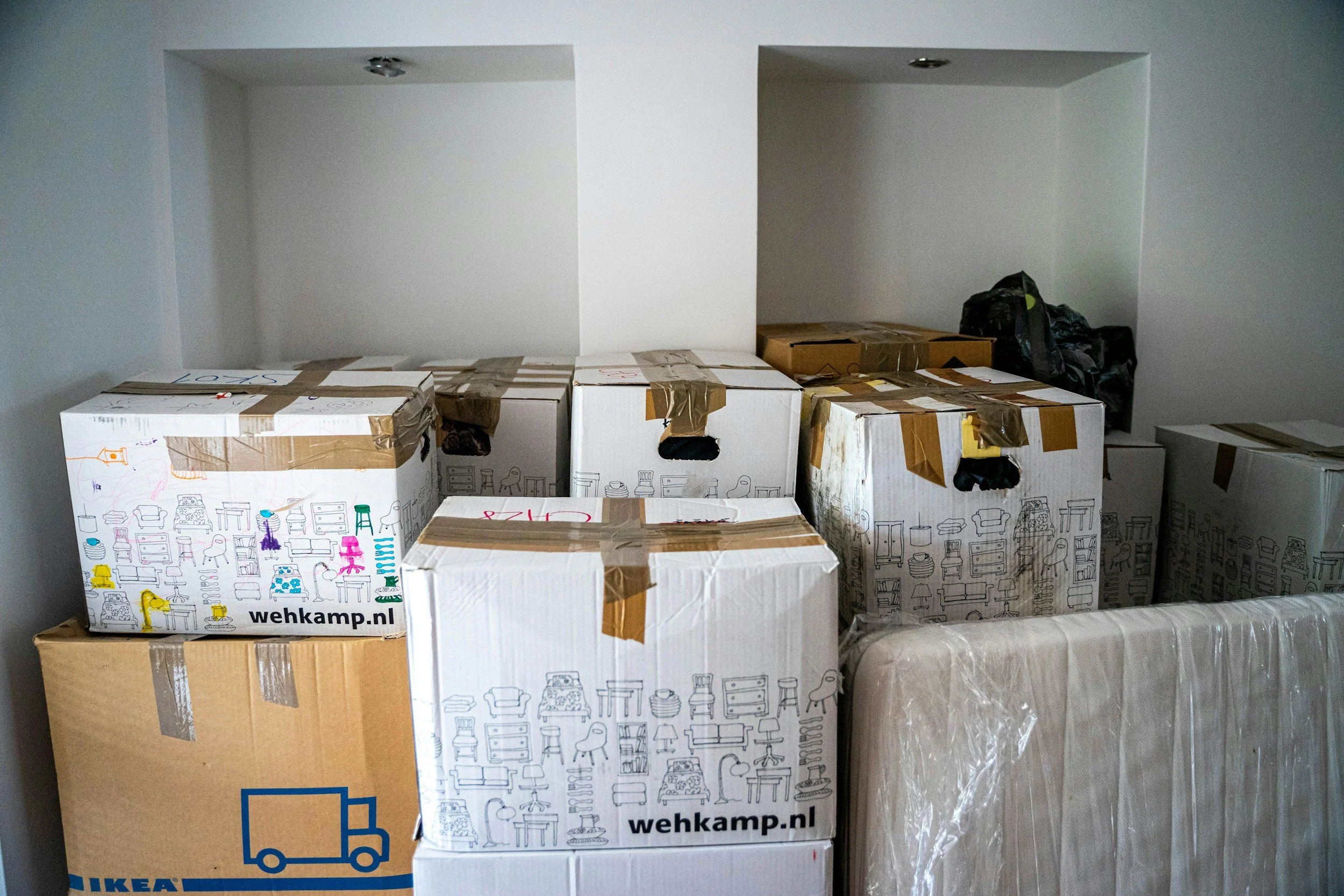
Even a local move comes with costs that are easy to underestimate.
You may need to budget for:
Professional movers
Truck rentals
Packing supplies
Storage units
Utility transfers
Cleaning services
Planning ahead for these expenses can make moving day much less stressful.
5. Immediate Home Projects
Even a home that's move-in ready usually comes with a to-do list.
Many buyers choose to tackle projects before they unpack, such as:
Painting
Replacing flooring
Updating light fixtures
Installing window treatments
Landscaping
Deep cleaning
These improvements don't have to happen all at once, but it's helpful to leave room in your budget for the projects that matter most to you.
6. Furniture, Appliances, and Everyday Essentials
A new home often means discovering you need more than you realized.
Common purchases include:
Refrigerators, washers, or dryers (if they're not included)
Lawn equipment
Window coverings
Shelving and storage
New furniture
Kitchen supplies
These smaller purchases can add up quickly during the first few months.
7. Ongoing Homeownership Costs
Owning a home comes with responsibilities that renters may not have experienced.
Be prepared for ongoing expenses such as:
Routine maintenance
HVAC servicing
Gutter cleaning
Lawn care
Snow removal
Home repairs
Annual insurance and tax adjustments
Setting aside money each month for future maintenance can help protect both your home and your finances.
8. An Emergency Fund
Even in a well-maintained home, unexpected repairs can happen. Whether it's replacing a water heater, repairing a furnace, or fixing a plumbing issue, having a financial cushion can make homeownership much less stressful. Many financial experts recommend setting aside three to six months of living expenses or creating a dedicated home maintenance fund after closing.
Why Planning Ahead Matters
A recent survey by Clever Real Estate found that many recent homebuyers underestimated how much cash they would need beyond their down payment. Many reported that unexpected expenses during their first year of homeownership created financial stress and caused them to delay other financial goals.
The good news is that most of these costs aren't actually unexpected. They're simply not talked about enough.
That's why I believe one of my most important jobs as your REALTOR® isn't just helping you find the right home. It's helping you understand everything that comes with buying one.
My Goal Is No Surprises
Buying a home should feel exciting, not overwhelming.
Before we ever start touring homes, we'll talk through your budget, expected closing costs, your financing, and the other expenses that often come with homeownership. That way, you can make informed decisions with confidence instead of being caught off guard at the closing table.
Every buyer's situation is different, but having a clear financial plan from the beginning can make the entire experience much smoother.
If you're thinking about buying a home in Central New York, whether it's your first purchase or your fifth, I'd be happy to walk you through what to expect and help you create a plan that fits your goals.
Have questions about buying a home in Central New York? Let's connect. I'd love to help you understand the process, answer your questions, and make sure you're prepared for every step of your home-buying journey.
